NET Q3, from LC-1.
Rocket Lab / MISSION BRIEFING
6x HawkEye 360
Electron · Earth Science
TBD
LAUNCH TIMETBDTiming is subject to mission updates
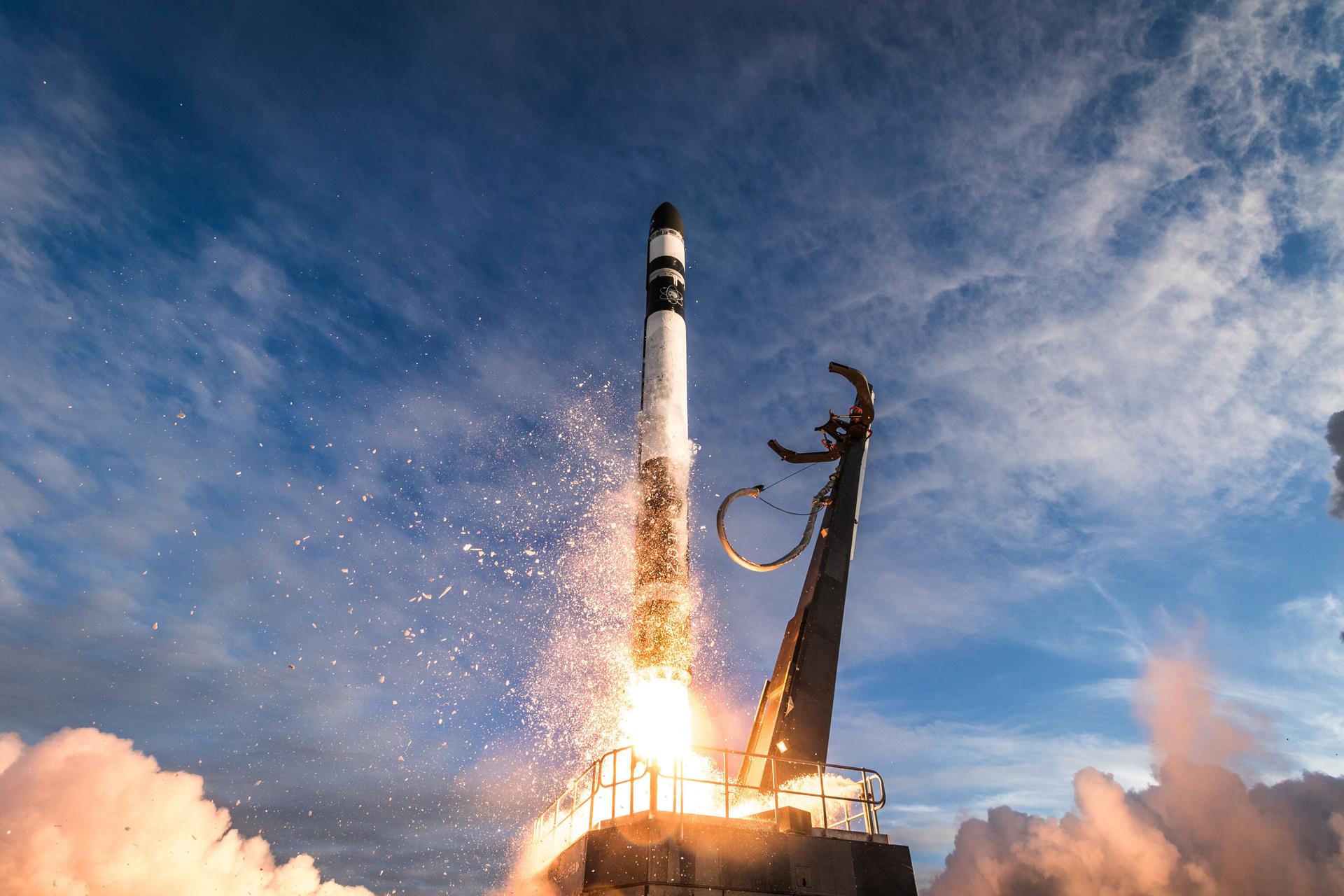
Mission image · https://ll.thespacedevs.com/2.3.0/launches/7766f3bb-674c-4c71-b986-963bd633fcfe/
Mission overview
HawkEye 360 is a a space-based civil global intelligence satellite network using radio frequency (RF) technology to help monitor transportation across air, land and sea and assist with emergencies, and to provide civil SIGINT (Signal Intelligence) mission. The constellation of small satellites (named Hawk ) will collect information on specific radio signals worldwide to provide high-precision radio frequency mapping and analytics from Low Earth orbit (LEO).
- Mission
- 6x HawkEye 360
- Mission type
- Earth Science
- Provider
- Rocket Lab
- Target orbit
- Low Earth Orbit
Timeline
Scheduled event sequence from Launch Library 2. These are planned milestones, not confirmed telemetry. Events remain unconfirmed until a verified source reports them.
A verified event timeline has not been published for this mission.
Mission intelligence
Explore connectionsMission activity
Listening for verified changes
Activity appears when ORBITAL observes a change between source records. No historical events are invented.
Read source update
Adding launch
Schedule history
No changes recorded
Changes are recorded when ORBITAL retrieves data. The detection time may differ from the time the source changed its information.
Rocket
ElectronRocket Lab · United StatesElectron is a two-stage orbital expendable launch vehicle (with an optional third stage) developed by the American aerospace company Rocket Lab. Electron is a small-lift launch vehicle designed to launch small satellites and cubesats to sun-synchronous orbit and low earth orbit. The Electron is the first orbital class rocket to use electric-pump-fed engines, powered by the 9 Rutherford engines on the first stage. It is also used as a suborbital testbed (called HASTE) for hypersonics research.
Payload
6x HawkEye 360
Payload details are described in the mission overview. No independently structured payload manifest or payload mass has been provided by the source.
Target orbit
SCHEMATIC · NOT A FLIGHT TRAJECTORY
- Orbit
- Low Earth Orbit
- Classification
- LEO
Launch site
Unknown Pad
Rocket Lab Launch Complex 1, Mahia Peninsula, New Zealand
- Latitude
- -39.26088°
- Longitude
- 177.86583°
- Country
- New Zealand
- Time zone
- Pacific/Auckland
Live & mission coverage
No verified official livestream has been announced. Check mission sources for coverage updates.
Sources
Source links and confidence are preserved with each mission. Official updates take priority when verified.
Launch Library 2high · P80
ll.thespacedevs.com · Updated Sep 19, 2026 04:22 UTCMission referencemedium · P60
www.mbie.govt.nz · Updated Sep 19, 2026 04:22 UTCMission referencemedium · P60
www.businesswire.com · Updated Sep 19, 2026 04:22 UTCMission photographs are provided by the original sources. Their rights remain with their creators; consult the source before reusing an image.